
Discover 11 reclaimed wood home decor ideas for a warm, stylish home, plus modern styling tips, room ideas, safety, sourcing, and maintenance advice.
Reclaimed wood has a character that new furniture simply cannot reproduce. The worn grain, small imperfections, nail marks, faded tones, and natural texture can make a room feel warmer and more personal without requiring a complete renovation. That is why reclaimed wood home decor continues to appeal to homeowners who want interiors that feel comfortable, collected, and connected to natural materials.
The best reclaimed wood home decor is not limited to farmhouse or rustic interiors. Today, reclaimed timber can work beautifully with modern furniture, contemporary lighting, industrial accents, neutral colors, organic textures, and even sophisticated luxury spaces. The key is knowing how much wood to use and what to pair with it.
Whether you have a large living room, a compact apartment, a traditional home, or a modern open-concept space, reclaimed wood can become a beautiful design feature when it is used intentionally. In this guide, you will find 11 practical reclaimed wood home decor ideas, along with advice on styling reclaimed wood in different rooms, choosing authentic material, maintaining it, and avoiding common decorating mistakes.
What Is Reclaimed Wood Home Decor?
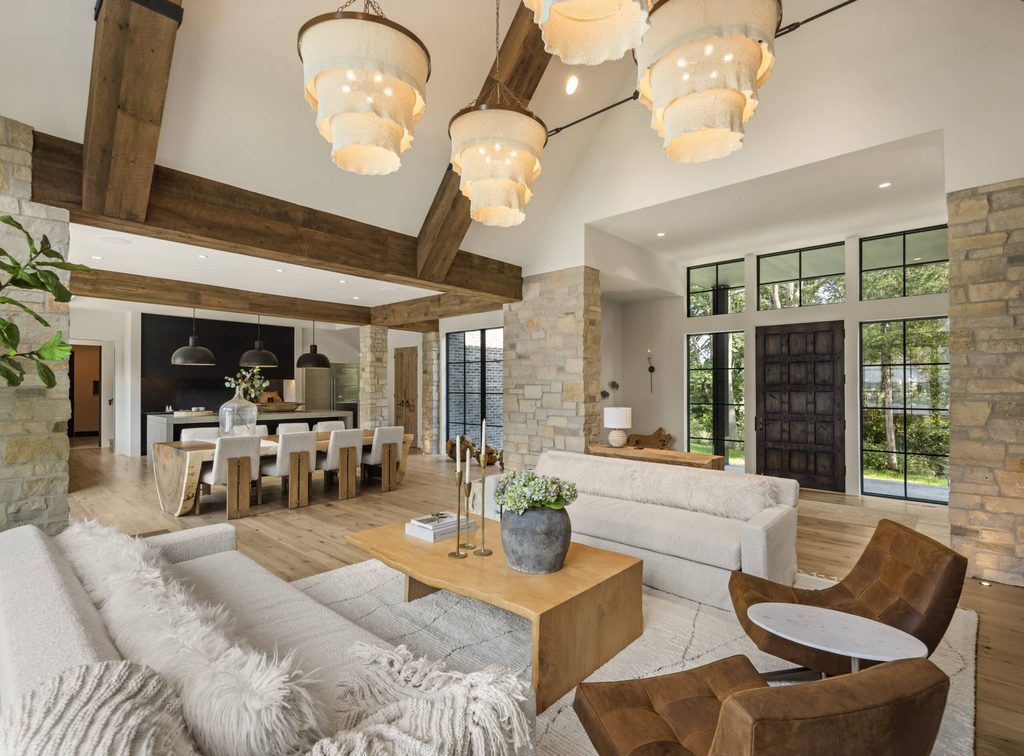
Reclaimed wood is timber that has previously been used in another structure, furniture piece, building, barn, warehouse, home, or other application and is reused for a new purpose. Instead of looking perfectly uniform like much new lumber, reclaimed wood often has visible character created by years of use and exposure.
In reclaimed wood home decor, those characteristics become part of the design. Knots, nail holes, variations in color, saw marks, weathering, and changes in grain can give furniture and architectural features a distinctive appearance.
Reclaimed wood should not be confused with distressed wood. Distressed wood is generally new wood that has been intentionally treated, marked, stained, or textured to make it appear older. Genuine reclaimed wood, by contrast, has a previous life.
This difference matters if you want your home to have an authentic, collected appearance. The goal is not necessarily to make every surface look old. Instead, one carefully selected reclaimed piece can provide enough texture and history to make an otherwise contemporary room feel warmer.
Why Is Reclaimed Wood So Popular in Home Decor?
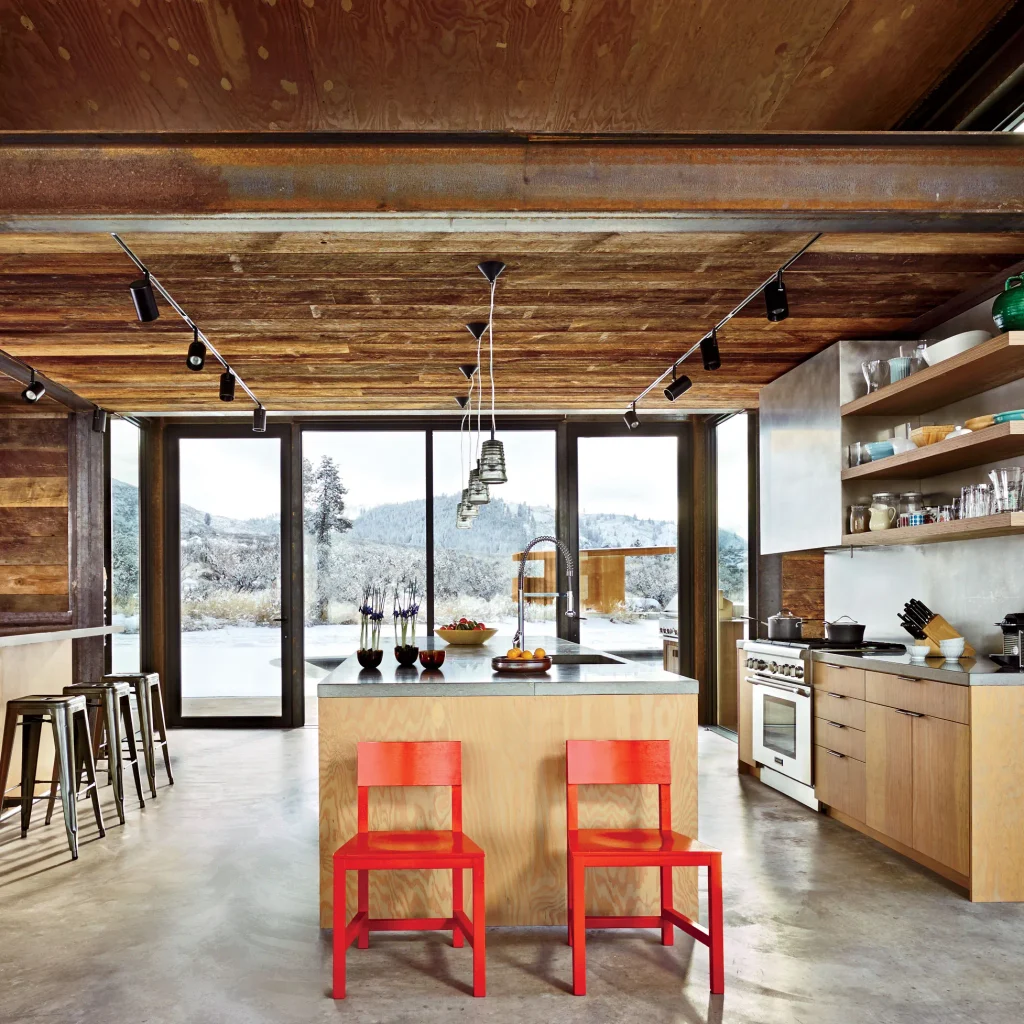
One reason reclaimed wood home decor works so well is that it adds visual texture. Modern rooms can sometimes feel overly smooth when every surface is new, polished, and perfectly uniform. Reclaimed wood introduces variation that makes the room feel more relaxed.
It can also provide warmth. A reclaimed oak coffee table, weathered wood shelf, or old timber mantel can soften a room filled with white walls, glass, metal, or contemporary furniture.
Another advantage is versatility. Although reclaimed wood is strongly associated with rustic and farmhouse interiors, designers also use it in modern spaces. Architectural Digest has featured reclaimed wood in kitchens, bathrooms, bedrooms, flooring, ceilings, cabinetry, and dining areas, showing how broadly the material can be used.
The sustainability story can also be appealing. Reusing existing timber can extend the life of a material rather than automatically requiring new lumber, although sustainability depends on how the material is sourced, transported, processed, and finished.
For more ideas about using natural and rustic elements together, you can also explore Decorove’s existing Mountain Home Decor guide for additional inspiration.
11 Reclaimed Wood Home Decor Ideas for 2026
1. Create a Reclaimed Wood Accent Wall
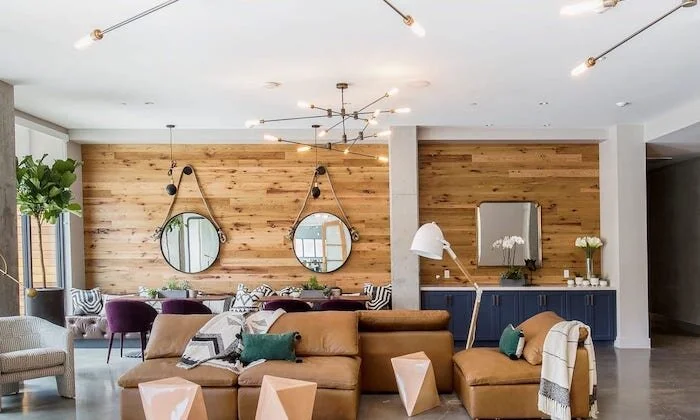
A reclaimed wood accent wall is one of the most dramatic ways to introduce reclaimed wood home decor into a room. Instead of covering every wall with wood, choose one strategic surface and make it the focal point.
In a living room, a reclaimed wood wall can sit behind the sofa or television. In a bedroom, the wall behind the bed is usually the most natural location. In a home office, a smaller wood feature wall can create a warm backdrop for a desk and shelving.
The most important consideration is balance. If the wood is dark and heavily weathered, keep the surrounding walls and furniture relatively simple. Cream, warm white, beige, soft gray, and muted green can help balance strong wood tones.
For a modern interpretation, combine reclaimed planks with clean-lined furniture rather than filling the room with rustic accessories. A contemporary sofa, simple black lighting, and a neutral rug can make a weathered wood wall feel sophisticated instead of overly farmhouse.
If your room is small, consider using reclaimed wood on only part of the wall rather than creating a full floor-to-ceiling installation. A narrower feature can provide the same textural effect without making the space feel visually heavy.
2. Add Reclaimed Wood Floating Shelves
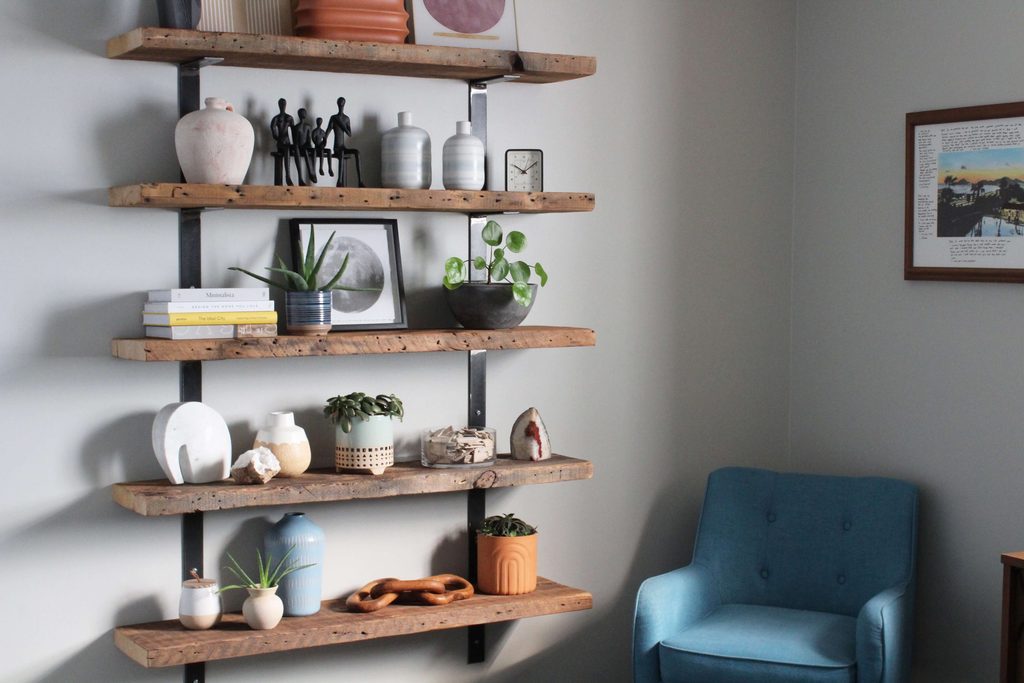
Floating shelves are one of the easiest ways to experiment with reclaimed wood home decor without committing to a major renovation.
A few thick reclaimed wood shelves can transform an empty wall while providing useful storage. They work particularly well in kitchens, living rooms, bathrooms, bedrooms, and home offices.
In a kitchen, reclaimed shelves can display ceramics, glassware, cookbooks, or small plants. In a living room, use them for framed artwork, books, vases, and meaningful objects. In a bedroom, a narrow shelf can provide a place for small artwork or decorative pieces.
The brackets and hardware also influence the overall style. Matte-black brackets create an industrial feeling, while concealed brackets produce a cleaner modern appearance. Brass or bronze hardware can make the wood feel warmer and more traditional.
Avoid overcrowding the shelves. Reclaimed wood already provides strong visual texture, so a few carefully selected objects usually look better than dozens of small decorations.
3. Use a Reclaimed Wood Coffee Table as a Focal Point

A coffee table is another practical way to introduce reclaimed wood home decor into a modern living room.
A reclaimed wood coffee table can become the grounding element in a space filled with upholstered furniture. Its natural texture contrasts beautifully with linen sofas, soft rugs, metal lighting, glass surfaces, and smooth contemporary furniture.
For a modern living room, look for a table with a simple silhouette and let the natural wood provide the character. A rectangular reclaimed wood top with simple black metal legs can create an attractive modern-industrial combination.
For a farmhouse room, a thicker wood top with turned or chunky legs can feel more traditional. In an organic-modern space, pair the table with cream upholstery, natural textiles, ceramic accessories, and greenery.
The goal is to allow the table to become the statement rather than surrounding it with too many other rustic elements.
4. Bring Character to the Dining Room With a Reclaimed Wood Table

A dining table is one of the best long-term applications for reclaimed wood home decor because the material’s natural variation becomes part of the dining experience.
A large reclaimed wood dining table can work as the centerpiece of a farmhouse dining room, but you do not have to surround it with matching rustic chairs.
Try combining a reclaimed table with contemporary upholstered chairs for a softer look. Black metal chairs can create an industrial feel, while woven or cane chairs can produce a more relaxed natural aesthetic.
Lighting can completely change the result. A modern linear chandelier above a reclaimed table can make the space feel contemporary. A vintage-style pendant can push the room toward farmhouse or traditional design.
When choosing a reclaimed dining table, pay attention to its surface condition and finish because dining tables experience frequent contact with food, drinks, heat, and moisture. The appropriate protective finish depends on the specific wood and how the table was manufactured.
5. Make the Bedroom Warmer With a Reclaimed Wood Headboard
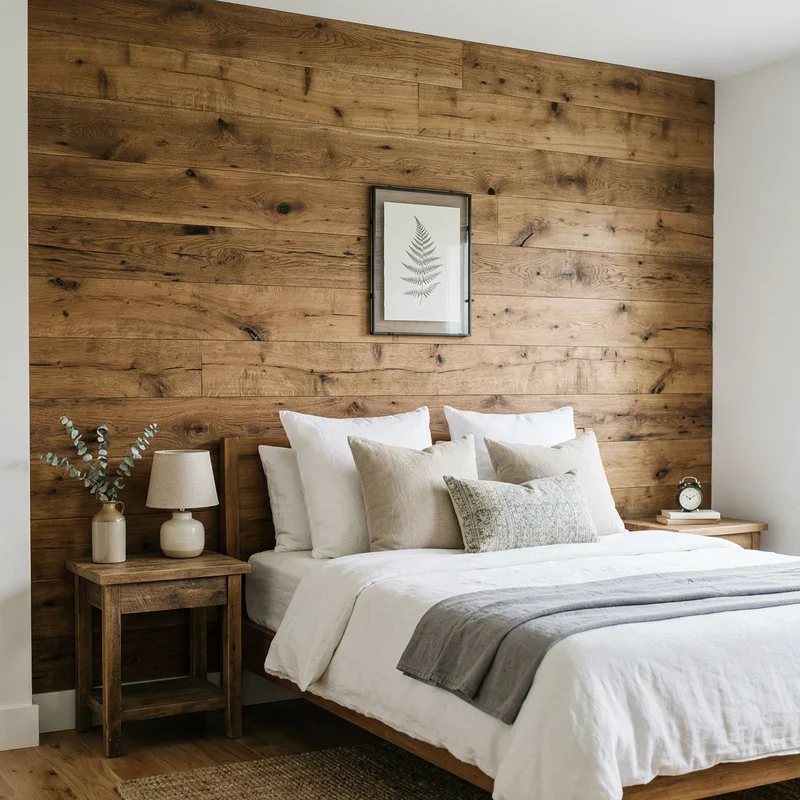
A reclaimed wood headboard can turn the bed into a strong focal point without requiring an entire bedroom makeover.
This approach works especially well if your bedroom currently has neutral walls and simple bedding. The wood adds warmth and texture behind the bed while allowing the rest of the room to remain calm.
For a modern bedroom, choose horizontal boards with relatively consistent tones. For a rustic bedroom, more weathered boards with visible imperfections can create stronger character.
You can soften the effect by combining the headboard with linen bedding, cream pillows, woven throws, and warm lighting.
Your choice of bedding can also influence the final appearance. For example, earthy shades such as warm beige, sage green, clay, rust, and cream work naturally with weathered wood. Decorove’s Trending Bedding 2026 guide also explores warm earthy colors and natural-looking bedroom layers.
6. Frame a Fireplace With Reclaimed Wood
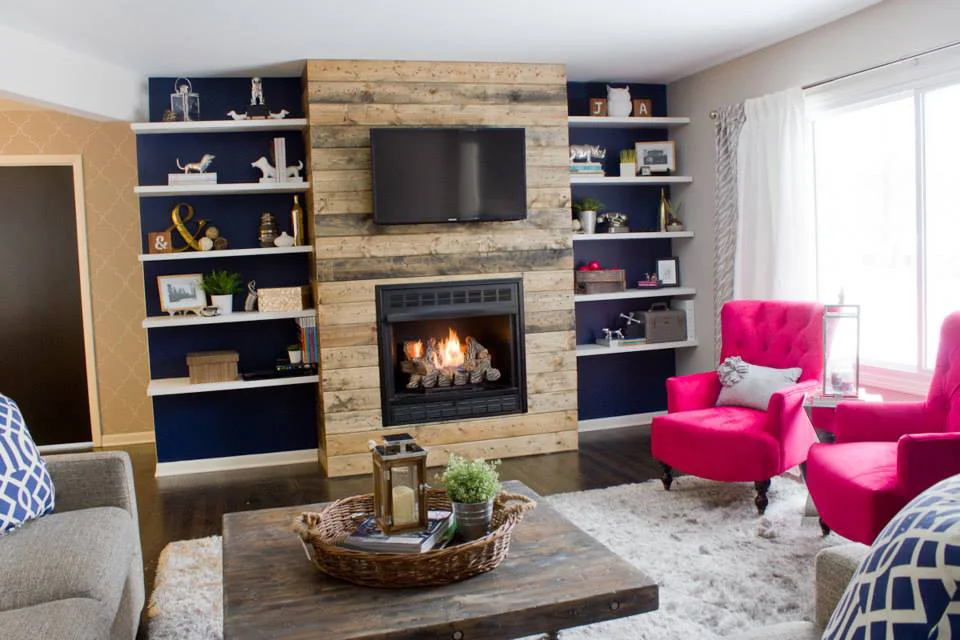
A fireplace is already a natural focal point, so adding reclaimed wood can make it even more visually important.
A reclaimed wood mantel can bring warmth to a living room while giving the fireplace an older, more established appearance. It can work with brick, stone, plaster, painted walls, or other materials.
If you have a modern fireplace, a weathered mantel can create an interesting old-and-new contrast. Keep the surrounding decor relatively simple so the wood does not compete with the fireplace itself.
For a more rustic room, reclaimed wood can be combined with stone, leather, woven textiles, and natural greenery.
Safety is especially important around fireplaces. The wood and installation method need to be appropriate for the specific fireplace design and local requirements. Reclaimed wood should never be treated as automatically safe simply because it looks attractive.
7. Add Reclaimed Wood Shelving to the Kitchen

Kitchen shelving is a practical application of reclaimed wood home decor because it combines storage with visual interest. Open reclaimed wood shelves can break up a wall of cabinets and provide space for dishes, bowls, glassware, cookbooks, plants, and decorative objects.
The strongest designs usually balance open shelving with closed storage. If everything in the kitchen is exposed, the room can quickly look cluttered. Pairing reclaimed shelves with white or cream cabinetry creates a bright farmhouse-inspired look. Dark cabinetry can create a dramatic contrast. Natural stone countertops, ceramic tile, and metal fixtures can also complement the texture of the wood.
If the reclaimed material will be used near water, heat, or food preparation areas, make sure it is properly prepared and finished for that environment.
8. Use Reclaimed Wood for Entryway Furniture

The entryway is an excellent place for a small piece of reclaimed wood home decor because it creates a first impression without requiring a large installation.
A reclaimed wood console can sit behind an entryway sofa or beneath a mirror. A narrow reclaimed bench can provide seating while also adding texture. For a small entryway, choose furniture with a slim profile. A chunky piece may look beautiful but can make the passage feel cramped.
You can modernize a reclaimed wood console by pairing it with a large round mirror, contemporary table lamp, simple ceramic vase, or sculptural object. For a rustic or Western-inspired space, leather, woven baskets, vintage artwork, and darker wood tones can complement the reclaimed material.
If you enjoy combining natural wood with stronger, masculine materials, Decorove’s Masculine Home Decor Ideas offers related styling inspiration around wood, leather, metal, and warm textures.
9. Turn Reclaimed Wood Into Wall Art

You do not need a large furniture piece to enjoy reclaimed wood home decor. Small pieces of old timber can become decorative wall art.
Different boards can be arranged into geometric compositions, abstract patterns, simple signs, framed panels, or textured artwork. This is particularly useful when you want the appearance of reclaimed wood but do not want to cover a large surface.
A single framed reclaimed wood panel above a console or bed can provide texture without overwhelming the room. For a contemporary appearance, use a simple frame and a restrained composition. For a rustic home, allow more of the original wood character to remain visible.
This approach also gives you an opportunity to reuse smaller pieces that might otherwise be discarded.
10. Create a Reclaimed Wood Console or Side Table
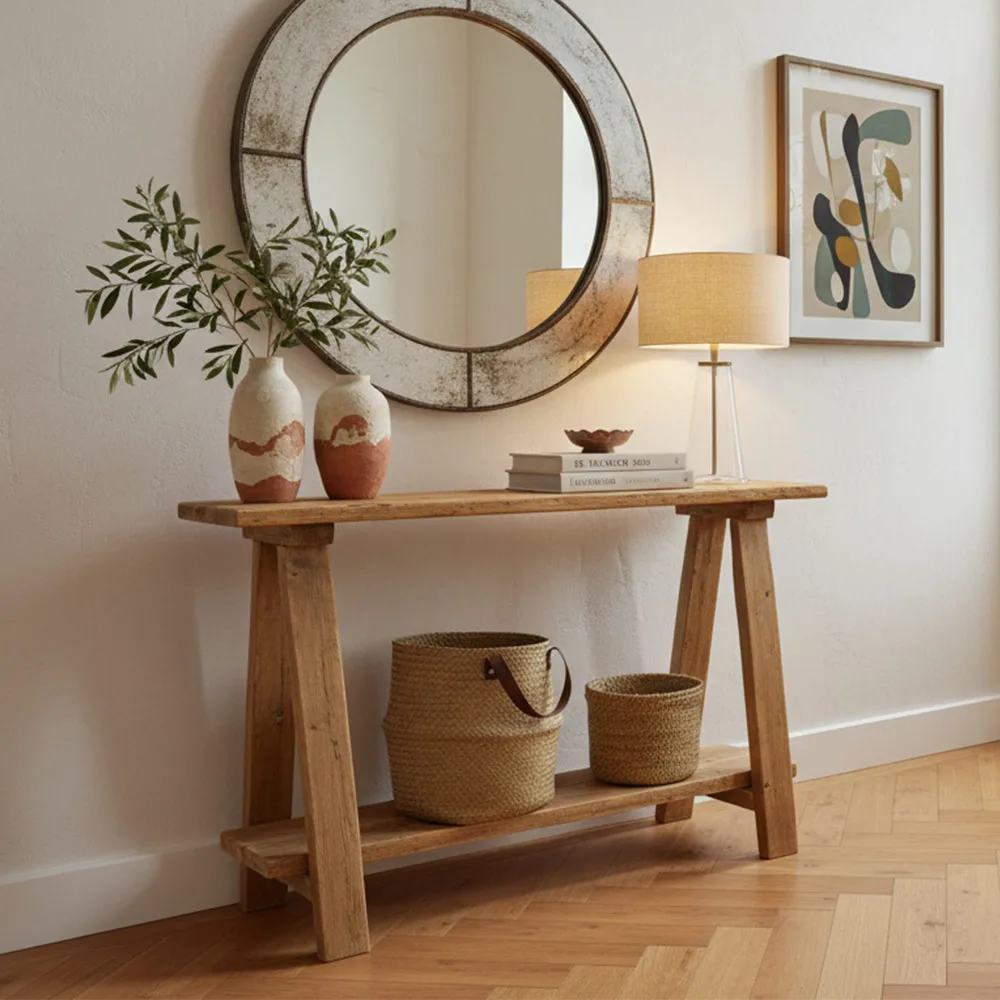
A console table made from reclaimed wood can add warmth to hallways, living rooms, bedrooms, and dining spaces. In a contemporary interior, choose a design with clean lines and minimal hardware. The contrast between a simple silhouette and naturally weathered timber can look especially sophisticated.
In a rustic space, thicker wood and more visible imperfections can create a stronger connection to the material’s history. A small reclaimed wood side table can work in an apartment or other compact space where a large furniture piece would be impractical.
The important thing is to consider scale. The wood itself can be visually heavy, so a smaller piece with open legs may feel lighter than a solid block-style table.
11. Add Reclaimed Wood Ceiling Beams or Architectural Details

For homeowners who want a more permanent form of reclaimed wood home decor, ceiling beams and architectural details can create an impressive result. Reclaimed beams can add character to living rooms, kitchens, dining rooms, bedrooms, and open-plan spaces. They are particularly effective in homes with high ceilings where a large vertical or horizontal feature can help create visual balance.
Architectural Digest has showcased reclaimed wood in ceiling applications, including reclaimed oak ceiling trusses and reclaimed boards used in kitchen ceilings. However, architectural wood should not be installed casually. If the beam is structural, its engineering and installation require appropriate professional assessment. Decorative beams also need secure installation and careful planning.
If you love the appearance but do not need structural work, decorative faux beams or professionally prepared reclaimed timber can offer a similar visual effect with fewer complications.
How to Make Reclaimed Wood Home Decor Look Modern
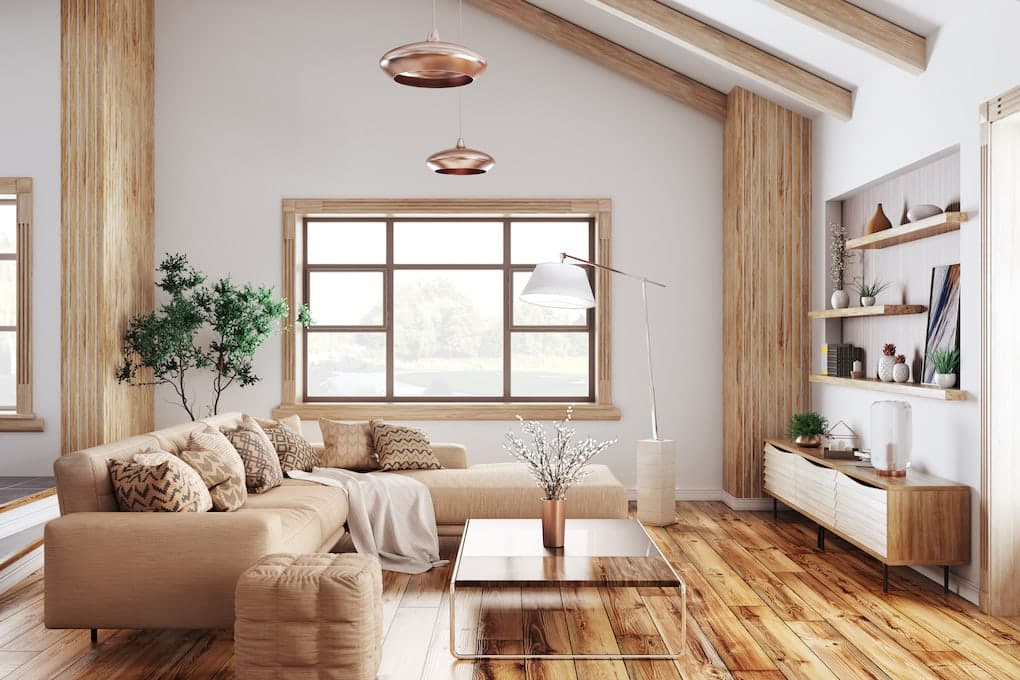
One of the biggest mistakes people make with reclaimed wood home decor is assuming every surrounding element also needs to be rustic.
That can make a room feel themed rather than sophisticated.
A better approach is to create contrast. Combine weathered wood with clean-lined furniture, contemporary lighting, smooth fabrics, simple artwork, and restrained accessories.
For example, a heavily textured reclaimed wood wall can look modern when placed behind a streamlined cream sofa. Add a black metal coffee table, a neutral rug, and a contemporary floor lamp, and the room suddenly feels much more current.
Color also matters. Warm white, beige, taupe, charcoal, muted green, clay, and soft black can all complement reclaimed timber without competing with its natural variation.
You can also use the “one statement wood element” approach. Instead of using reclaimed wood on the walls, ceiling, furniture, shelves, and accessories at the same time, choose one major feature and let it lead the room.
How to Use Reclaimed Wood in Different Interior Styles
Modern Reclaimed Wood Decor
Modern reclaimed wood home decor works best when the furniture has clean shapes and the wood provides the texture.
Choose simple reclaimed shelves, a streamlined coffee table, or a restrained accent wall. Avoid filling the room with too many rustic accessories.
Farmhouse Reclaimed Wood Decor
Farmhouse interiors are naturally suited to reclaimed wood. Dining tables, shelves, mantels, signs, benches, and ceiling details can all work well.
However, modern farmhouse style benefits from restraint. Combining reclaimed wood with contemporary lighting and comfortable neutral upholstery can prevent the room from feeling dated.
Industrial Reclaimed Wood Decor
Industrial spaces provide an obvious pairing for reclaimed timber. Black metal, exposed brick, concrete-inspired finishes, and aged wood can create a strong combination.
The key is balancing hard surfaces with softer textiles such as rugs, curtains, cushions, and upholstered furniture.
Organic Modern Reclaimed Wood Decor
Organic-modern interiors are an especially good opportunity for reclaimed wood home decor because both approaches emphasize natural texture.
Pair reclaimed timber with linen, wool, stone, ceramic, greenery, warm neutrals, and rounded furniture.
The result should feel relaxed rather than heavily rustic.
Coastal Reclaimed Wood Decor
For coastal interiors, choose lighter reclaimed wood and combine it with soft whites, sandy beige, muted blue, woven textures, and natural fibers.
Avoid excessive nautical decorations. Let the natural texture of the wood create the connection to the coast.
Rustic Reclaimed Wood Decor
Rustic rooms can handle more weathered wood, visible knots, rough textures, and darker finishes.
Stone fireplaces, leather furniture, woven textiles, vintage accessories, and natural greenery can strengthen the overall look.
Reclaimed Wood Home Decor Ideas for Different Rooms
Living Room
The living room is one of the easiest places to introduce reclaimed wood home decor. Consider a coffee table, floating shelves, accent wall, console, mantel, or small wall-art piece.
Choose one or two applications rather than using reclaimed timber everywhere.
Bedroom
A reclaimed wood headboard or small accent wall can add warmth without making the bedroom feel heavy. Pair it with soft bedding and warm lighting.
Kitchen
Shelving, island panels, cabinet details, and dining surfaces can introduce reclaimed wood into a kitchen.
Because kitchens experience moisture, heat, spills, and frequent cleaning, material preparation and finish selection are especially important.
Dining Room
A reclaimed dining table can become the central feature of the room. Balance its texture with comfortable modern chairs and an appropriately scaled light fixture.
Entryway
A console or bench can provide both function and character. Keep the furniture proportional to the available floor space.
Home Office
Reclaimed shelves, a desk, or a small wall panel can make a home office feel warmer and less sterile.
Combine wood with comfortable upholstery, practical lighting, and organized storage.
How to Choose Authentic Reclaimed Wood
When shopping for reclaimed wood home decor, do not focus only on appearance. Ask about the material’s origin and previous use.
A reputable seller should be able to provide useful information about where the timber came from and how it was prepared.
Look closely at the wood. Natural variations in grain, old fastener marks, saw marks, and weathering can be signs of previous use, although appearance alone cannot prove that a piece is genuinely reclaimed.
Also inspect its physical condition. Look for excessive cracking, insect damage, rot, moisture damage, or unstable sections.
If you are purchasing finished furniture, ask what treatments or finishes have been applied.
Avoid assuming that every old board is automatically suitable for indoor use. The history and condition of the material matter.
Is Reclaimed Wood Safe for Home Decor?
Safety is one area where reclaimed wood home decor articles often need more explanation.
Old timber may have been exposed to paint, chemicals, moisture, insects, smoke, or other contaminants depending on its previous use.
Painted or coated wood deserves particular attention. The EPA explains that lead-based paint can be present in older building materials and that requirements can apply when renovation activities disturb painted surfaces in certain homes and child-occupied facilities.
For this reason, do not sand, cut, burn, or otherwise disturb unknown old painted wood casually.
If the wood’s history is uncertain, especially when it will be used inside a home, around children, or in a major renovation, consider professional assessment and appropriate preparation.
Reclaimed wood should also be checked for insects, rot, mold, excessive moisture damage, and structural problems.
For decorative projects, purchasing properly prepared reclaimed timber from a reputable supplier can be a safer approach than collecting unknown boards from random demolition sites.
How to Clean and Maintain Reclaimed Wood Decor
Proper maintenance helps reclaimed wood home decor retain its character without damaging the surface.
Start with gentle dusting using a soft, dry cloth. For spills, clean them promptly rather than allowing moisture to sit on the wood.
Avoid assuming that stronger cleaning products are better. The appropriate cleaner depends on the wood’s finish, so follow the manufacturer’s care instructions when they are available.
Excessive moisture can be problematic for many wood surfaces. Avoid soaking reclaimed wood furniture or allowing standing water to remain on shelves, tables, or other pieces.
Direct sunlight can also change the appearance of wood over time. Some natural color variation is expected, but strong and prolonged sunlight may accelerate fading or uneven color changes.
If your reclaimed wood furniture has a specific protective finish, use products recommended for that finish rather than applying a random oil, wax, or cleaner.
Reclaimed Wood Home Decor on a Budget
You do not need to purchase a large reclaimed dining table or install a full accent wall to introduce reclaimed wood home decor.
Small applications can create a noticeable change for less money.
A reclaimed wood picture frame, small shelf, planter box, tray, wall-art panel, or compact side table can introduce the material without requiring a major investment.
Another option is to use reclaimed wood in only one part of a larger project. For example, instead of making an entire wall from expensive timber, create a narrower feature panel behind a console or bed.
Thrifting can also complement this approach. Decorove’s existing online thrift store home decor guide discusses ways to use secondhand pieces to create a more individual interior. The same mindset works well with reclaimed wood: buy fewer pieces and choose ones with genuine character.
Common Reclaimed Wood Home Decor Mistakes to Avoid
The first mistake is using too much wood.
A room does not become more interesting simply because more reclaimed timber is added. If the walls, ceiling, furniture, shelves, and accessories all use heavily weathered wood, the space can quickly become visually overwhelming.
The second mistake is mixing too many competing wood tones without a plan.
Different wood colors can work together, but there should be some connection between them. Repeating one tone or balancing contrasting finishes with neutral upholstery can help.
Another mistake is choosing reclaimed wood only because it looks old.
The material needs to be appropriate for its intended use. A beautiful board with unknown history may not be the right choice for an indoor surface.
Ignoring scale is another common problem. Thick reclaimed wood can visually dominate a small room, so compact spaces often benefit from thinner shelves, smaller furniture, or one carefully selected accent.
Finally, avoid making every accessory rustic just because you have reclaimed wood furniture. Contemporary lamps, modern artwork, simple ceramics, and soft textiles can make the overall design feel much more sophisticated.
How to Mix Reclaimed Wood With Other Materials
The best reclaimed wood home decor often combines several materials rather than relying entirely on timber.
Metal is one of the easiest pairings. Black metal creates contrast and works especially well in modern and industrial interiors. Brass can add warmth and a slightly more polished appearance.
Stone is another strong companion. A reclaimed wood table paired with a stone fireplace or stone countertop can create a natural, grounded look.
Textiles are important because they soften the roughness of reclaimed timber. Linen, wool, cotton, boucle, and woven fabrics can make the room feel comfortable rather than overly hard.
Glass can also work beautifully with reclaimed wood. A glass surface or contemporary glass lighting fixture creates a useful contrast between old and new.
Why Reclaimed Wood Works in Modern US Homes
The appeal of reclaimed wood home decor in a modern US home is not that it makes the house look old. It is that it gives new spaces a sense of depth.
A contemporary home can contain clean architecture, modern appliances, simple furniture, and new finishes while still benefiting from one material with visible history.
That contrast is what makes reclaimed timber so effective.
Architectural Digest has documented reclaimed wood in sophisticated homes ranging from rustic retreats to urban interiors, demonstrating that reclaimed material does not have to be restricted to one decorating style.
The modern approach is therefore less about creating a completely rustic room and more about adding natural texture where the room needs it.
Frequently Asked Questions About Reclaimed Wood Home Decor
What is reclaimed wood home decor?
Reclaimed wood home decor refers to using previously used timber in furniture, wall treatments, shelving, architectural features, artwork, and other decorative applications. Its natural imperfections and previous-life characteristics add texture and visual character.
Is reclaimed wood good for home decor?
Yes, reclaimed wood can be an excellent choice for home decor when it is properly sourced, inspected, prepared, and finished for its intended use. Its natural texture can add warmth and character to modern, rustic, farmhouse, industrial, and organic-modern interiors.
How can I decorate with reclaimed wood without making my home look too rustic?
Use reclaimed wood as one statement element rather than covering the entire room with it. Pair weathered wood with clean-lined furniture, contemporary lighting, neutral fabrics, metal, glass, and simple artwork.
What is the difference between reclaimed and distressed wood?
Reclaimed wood has been previously used and reused for a new purpose. Distressed wood is generally new material that has been intentionally treated to create an aged appearance.
Where can reclaimed wood be used in a home?
Reclaimed wood can be used for accent walls, floating shelves, coffee tables, dining tables, headboards, mantels, consoles, wall art, ceiling details, and kitchen features, provided the material is suitable and properly prepared for the application.
Is reclaimed wood safe indoors?
It can be, but safety depends on the wood’s history, condition, treatment, and intended application. Unknown painted or chemically treated wood requires particular caution. The EPA provides guidance concerning lead-based paint and the disturbance of painted building materials.
Does reclaimed wood work with modern furniture?
Absolutely. In fact, modern furniture can make reclaimed wood look more sophisticated. Clean silhouettes, neutral upholstery, contemporary lighting, and simple accessories create an effective old-and-new contrast.
How do you maintain reclaimed wood furniture?
Dust it gently, clean spills promptly, avoid excessive moisture, and follow the care instructions for its specific finish. Avoid harsh cleaning products unless the manufacturer specifically recommends them.
Is reclaimed wood environmentally friendly?
Reusing existing timber can help extend the useful life of a material, but it is too broad to say that every reclaimed wood product is automatically sustainable. Transportation, processing, finishing, sourcing, and the original material all matter.
Can reclaimed wood work in a small apartment?
Yes. Small applications such as floating shelves, a compact console, a small coffee table, or framed wood artwork can add texture without overwhelming the available space.
Final Thoughts on Reclaimed Wood Home Decor
The best reclaimed wood home decor does not try to make an entire home look like an old barn. Instead, it uses the natural character of aged timber to give modern spaces warmth, texture, and personality.
Start with one meaningful feature. A reclaimed wood coffee table can transform a living room. A floating shelf can warm up a kitchen. A reclaimed headboard can give a bedroom a stronger focal point. A small console can make an entryway feel more welcoming.
From there, build around the wood rather than competing with it. Combine reclaimed timber with neutral fabrics, contemporary furniture, metal, stone, glass, greenery, and carefully selected accessories.
Most importantly, consider the history and condition of the material before bringing it into your home. Authenticity matters, but so do preparation and safety.
When used thoughtfully, reclaimed wood home decor can create the kind of interior that feels warm without being outdated, rustic without being overwhelming, and stylish without looking overly manufactured. That balance is what makes reclaimed wood such a useful material for decorating in 2026.
For more practical home styling inspiration, explore the latest decorating guides on Decorove, including bedroom furniture, bedding, mountain-inspired interiors, and other 2026 home decor trends.




Very informative post. The tips about balancing wood with neutral colors and modern furniture were especially helpful.
Like your ideas
good work